
Straight-Line Edge Grinding and Polishing in One Pass
The SZ-ZB Series glass edging machines are designed for processing straight flat edges and 45° arrises on glass sheets of different sizes and thicknesses.
Multiple grinding and polishing spindles are arranged along the processing direction. As the glass passes through the machine, the wheels progressively perform rough grinding, fine grinding, arris processing and final polishing.
Completing these operations in a single pass reduces repeated glass handling and provides an efficient solution for continuous flat-glass edge processing.
SZ-ZB9: Practical Nine-Spindle Glass Edging Machine
The SZ-ZB9 is equipped with nine spindles:
- Five spindles for flat-edge grinding and polishing
- Four spindles for front and rear arris processing
The machine processes glass from 3 to 28 mm thick, with a minimum glass size of 120 × 120 mm and an adjustable processing speed of 0.5–4.5 m/min.
Glass thickness is adjusted electrically by a motor and shown on a digital display. An integrated adjustment mechanism at the infeed section allows the operator to set the required grinding removal centrally without adjusting each spindle individually.
An independent felt polishing wheel works with a cerium-oxide water-recirculation system to improve the gloss and finish of the flat glass edge.
The SZ-ZB9 is suitable for glass processors seeking a reliable balance of processing capability, straightforward operation and equipment investment.
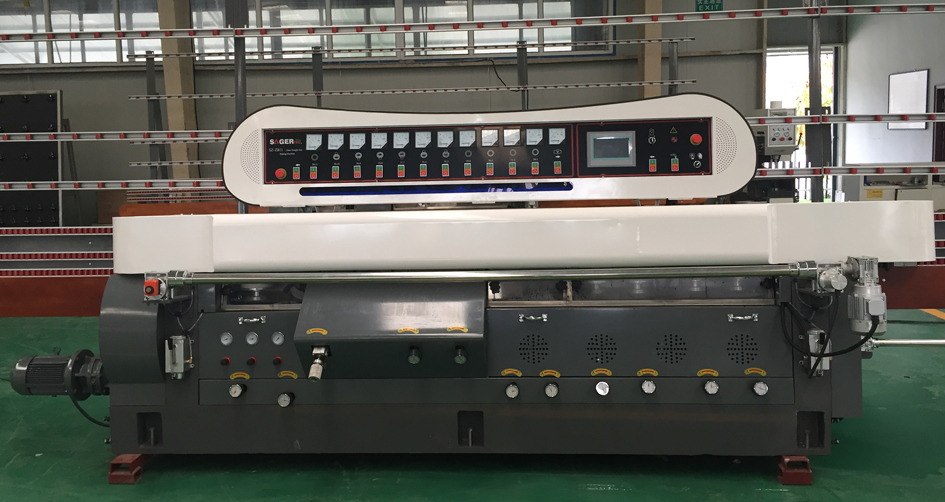
SZ-ZB11: High-Performance Eleven-Spindle Glass Edging Machine
The SZ-ZB11 is equipped with eleven spindles:
- Five spindles for flat-edge processing
- Three spindles for the front arris
- Three spindles for the rear arris
This configuration allows rough grinding, fine grinding and polishing of the flat edge and both 45° arrises to be completed in one pass.
The machine processes glass from 3 to 25 mm thick and can handle glass as small as 80 × 80 mm. Its adjustable processing speed of up to 6 m/min makes it suitable for manufacturers requiring higher output and flexible processing of smaller glass pieces.
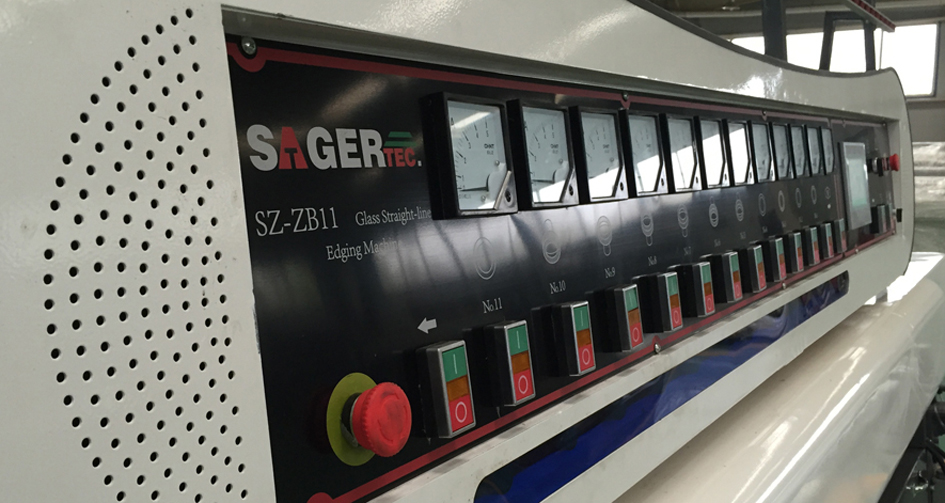
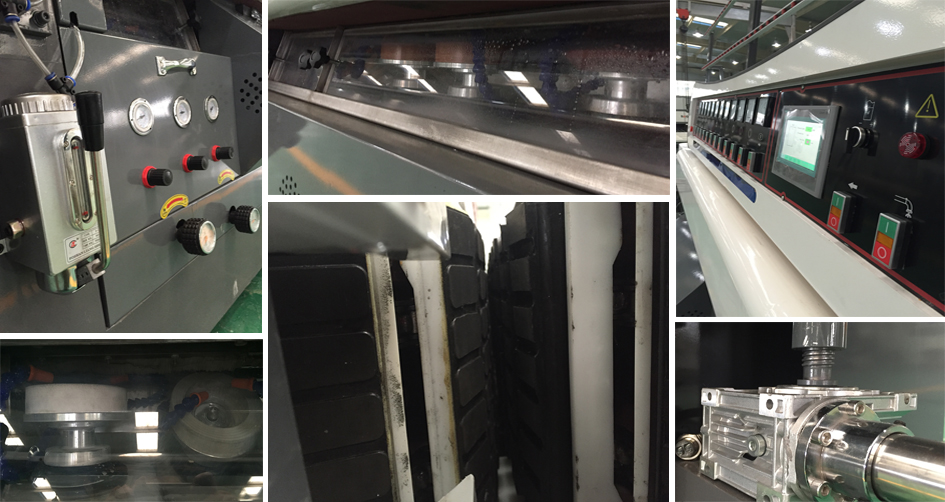
A Siemens PLC and touchscreen provide centralized control of glass thickness and operating parameters. Thickness adjustment is motorized and can be performed directly through the touchscreen.
-
Centralized Lubrication
The SZ-ZB11 includes a centralized lubrication pump that supplies lubricating oil to the machine components requiring regular lubrication.
This simplifies routine maintenance and supports stable long-term mechanical operation.
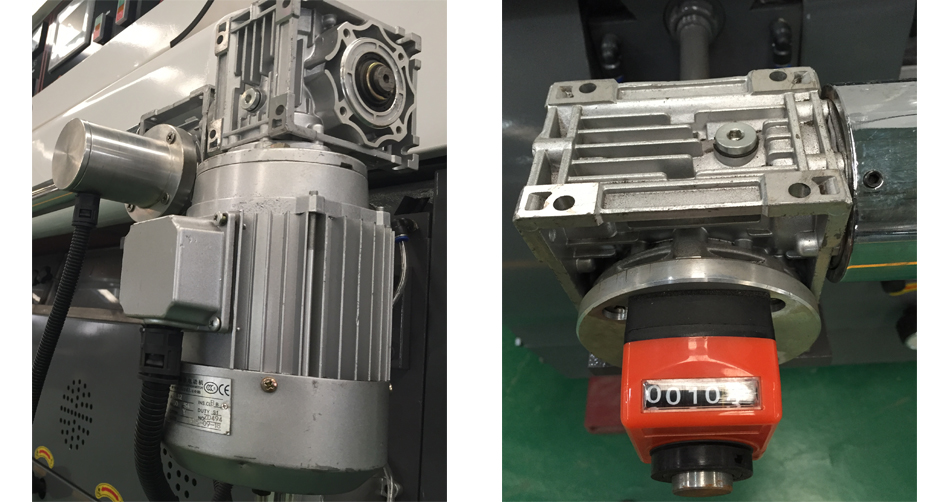
Integrated Grinding-Depth Adjustment
Both models feature an integrated infeed adjustment system for setting the required glass-edge grinding amount.
Instead of adjusting every grinding spindle separately when changing the required material removal, the operator can make a coordinated adjustment at the infeed section. This simplifies machine setup and improves efficiency when changing between different glass specifications.
Stable Timing-Belt Conveying
The infeed and outfeed conveyors use timing belts to transport the glass through the machine.
The synchronized belt structure supports smooth and stable glass movement during grinding and polishing, helping maintain consistent contact between the glass edge and each processing wheel.
-
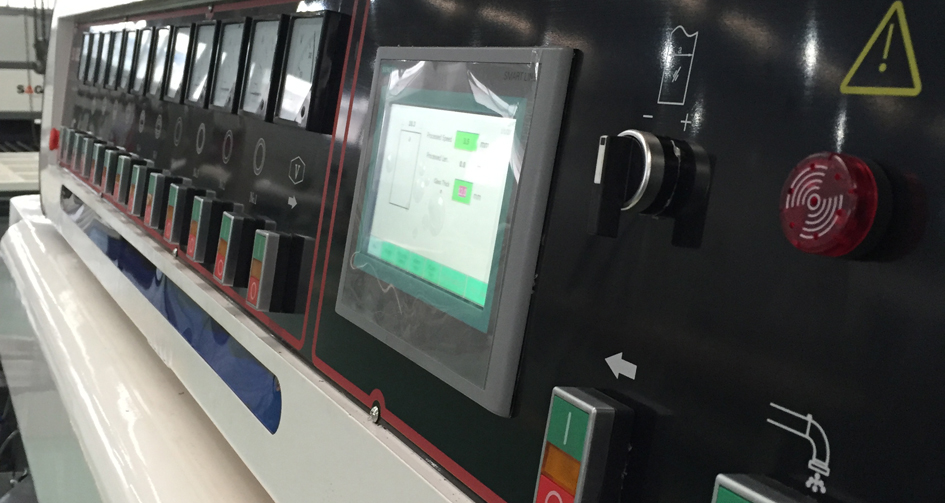
Siemens PLC and Touchscreen Control
The SZ-ZB11 uses a Siemens PLC with a touchscreen interface.
Operators can manage glass-thickness adjustment, processing speed and other machine functions through the control system. The electrical system is designed in accordance with applicable CE requirements.
-
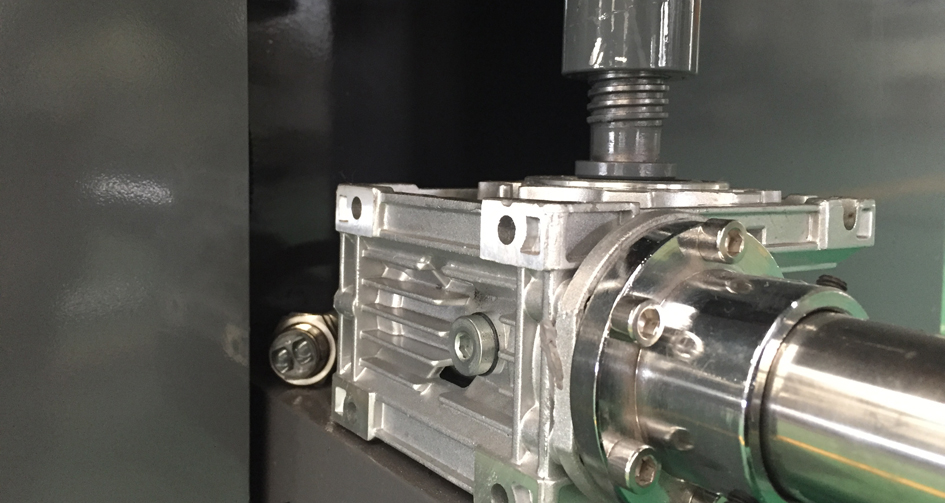
Integrated Grinding-Depth Adjustment
Both models feature an integrated infeed adjustment system for setting the required glass-edge grinding amount.
Instead of adjusting every grinding spindle separately when changing the required material removal, the operator can make a coordinated adjustment at the infeed section. This simplifies machine setup and improves efficiency when changing between different glass specifications.
-
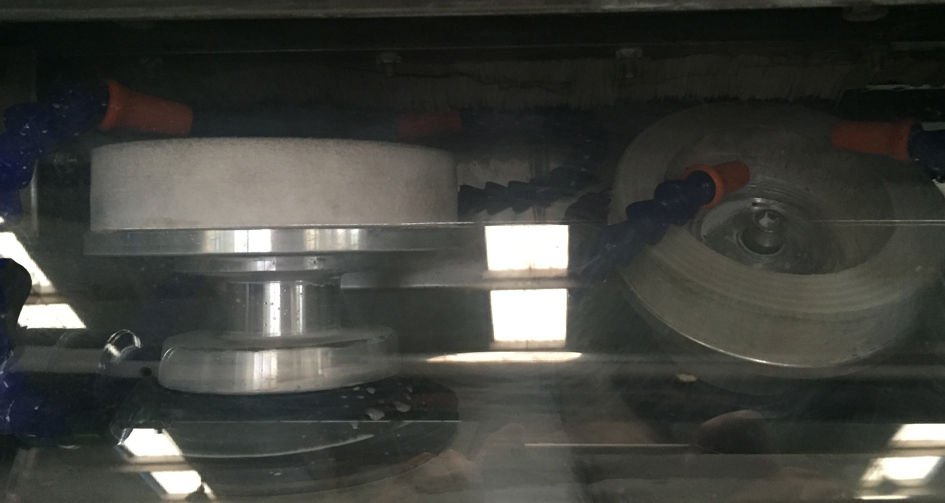
Cerium-Oxide Felt-Wheel Polishing
Felt wheels combined with cerium oxide are used for final edge polishing.
On the SZ-ZB9, the independent felt wheel improves the gloss of the flat edge. On the SZ-ZB11, felt-wheel and cerium polishing are applied to both the flat edge and arrises for a more complete polished finish.
The SZ-ZB11 is also equipped with a separate stainless-steel polishing tank and an electric agitator. The agitator helps keep the cerium-oxide polishing suspension evenly mixed during operation.
Main Features and Advantages
- Straight-line flat-edge grinding and polishing
- Front and rear 45° arris processing
- Rough grinding, fine grinding and polishing in one pass
- Nine- and eleven-spindle configurations
- Motorized glass-thickness adjustment
- Digital thickness display
- Integrated grinding-depth adjustment
- Timing-belt infeed and outfeed conveyors
- Felt-wheel polishing with cerium oxide
- Cerium-water recirculation system
- Adjustable processing speed
- Siemens PLC and touchscreen on SZ-ZB11
- Stainless-steel water and polishing tanks on SZ-ZB11
- Electric agitator for cerium polishing suspension
- Centralized lubrication pump on SZ-ZB11
- Customizable electrical supply
How the Glass Edging Machine Works
1. Glass Infeed
The glass sheet is placed vertically onto the infeed conveyor and guided into the processing section.
2. Grinding-Depth Setting
The required material-removal amount is set through the integrated infeed adjustment system.
3. Rough Grinding
The first grinding wheels remove the required amount of glass and form the straight flat edge.
4. Fine Grinding
Subsequent wheels refine the surface and remove marks left by rough grinding.
5. Arris Processing
Dedicated spindles grind the front and rear arrises at a fixed angle of 45°.
6. Edge Polishing
Polishing wheels and the cerium-oxide felt-wheel system improve the gloss and surface finish of the flat edge and arrises.
7. Glass Outfeed
The finished glass exits the machine through the timing-belt conveyor, ready for inspection or subsequent processing.
Model Comparison
| Item | SZ-ZB9 | SZ-ZB11 |
|---|---|---|
| Machine Type | Glass Straight-Line Edging Machine | Glass Straight-Line Edging Machine |
| Number of Spindles | 9 | 11 |
| Flat-Edge Spindles | 5 | 5 |
| Arris Spindles | 4 total | 3 front + 3 rear |
| Minimum Glass Size | 120 × 120 mm | 120 × 120 mm |
| Glass Thickness Range | 3–25 mm | 3–25 mm |
| Arris Angle | 45° | 45° |
| Processing Speed | 0.5–4.5 m/min | 0.6–6 m/min |
| Control System | Motorized adjustment with digital display | Siemens PLC with touchscreen |
| Installed Power | 19.08 kW | 26 kW |
| Power Supply | Customizable | Customizable |
| Overall Dimensions | 7000× 1400 × 2500 mm | 7800 × 1000 × 2500 mm |
| Approximate Weight | 3500 kg | 3800 kg |
Which Model Should You Choose?
Choose the SZ-ZB9 When You Need:
- A practical nine-spindle glass edging machine
- Glass processing thickness up to 25 mm
- Standard straight-edge and 45° arris processing
- Motorized thickness adjustment with digital display
- A balanced combination of performance and investment
- Centralized lubrication
Choose the SZ-ZB11 When You Need:
- Higher production speed of up to 6 m/min
- Processing of glass as small as 120 × 120 mm
- More spindles for front and rear arris processing
- Siemens PLC and touchscreen operation
- Polishing of both the flat edge and arrises
- Separate cerium polishing tank with electric agitation
- Centralized lubrication
Applications
The SZ-ZB9 and SZ-ZB11 glass edging machines are suitable for:
- Architectural glass
- Door and window glass
- Furniture glass
- Shower-enclosure glass
- Glass partitions
- Glass shelves
- Cabinet and display glass
- Appliance glass
- Mirror edge processing
- Decorative flat glass
- General flat-glass fabrication
FAQ
1. What does a glass straight-line edging machine do?
It grinds and polishes the straight flat edge of a glass sheet while also processing the front and rear 45° arrises.
2. Can grinding and polishing be completed in one pass?
Yes. Rough grinding, fine grinding, arris processing and final polishing are completed continuously as the glass passes through the machine.
3. What is the difference between the SZ-ZB9 and SZ-ZB11?
The SZ-ZB9 has nine spindles and provides a practical configuration for general glass edging. The SZ-ZB11 has eleven spindles, a higher maximum processing speed, a smaller minimum glass size and Siemens PLC touchscreen control.
4. What is the minimum glass size?
The SZ-ZB9 processes glass from 120 × 120 mm. The SZ-ZB11 processes glass from 80 × 80 mm.
5. What glass thicknesses can the machines process?
The SZ-ZB9 processes glass from 3 to 28 mm thick. The SZ-ZB11 processes glass from 3 to 25 mm thick.
6. What is the arris angle?
Both machines process front and rear arrises at a fixed angle of 45°.
7. How is the glass thickness adjusted?
The SZ-ZB9 uses motorized adjustment with a digital display. The SZ-ZB11 provides motorized thickness adjustment through the Siemens touchscreen control system.
8. How is the grinding amount adjusted?
An integrated infeed adjustment allows the required material-removal amount to be set centrally without individually adjusting every spindle.
9. How is the glass edge polished?
Felt polishing wheels work with a cerium-oxide recirculation system to improve the gloss and finish of the processed edge.
10. What is the difference between an edging machine and a beveling machine?
A straight-line edging machine produces a flat polished edge with narrow 45° arrises. A glass beveling machine produces a wider decorative bevel with an adjustable bevel angle.
11. Can the voltage be customized?
Yes. The electrical supply can be configured according to the customer’s local voltage and frequency.
Call to Action
Select the Right Glass Edging Machine for Your Production
Tell us your glass-size range, glass thickness, required production speed and edge-finish requirements. We will recommend the appropriate SZ-ZB9 or SZ-ZB11 configuration and prepare a technical proposal and quotation.
Contact Sagertec for product selection, technical details and pricing.